
By Odomero Igbodo
Enugu, Nigeria
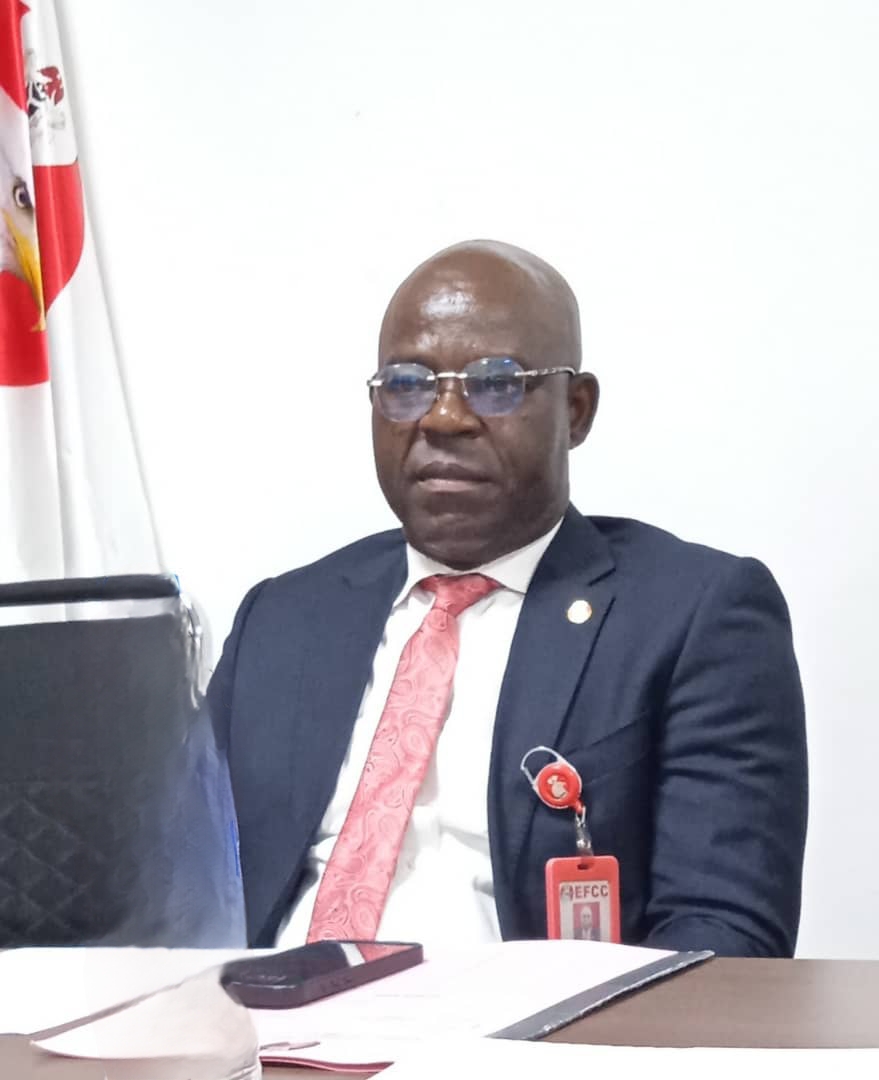
The Enugu Zonal Director of the Economic and Financial Crimes Commission (EFCC), Daniel Isei, has called for sustained collaboration between the Commission, the media, and civil society organizations (CSOs) in the collective effort to rid Nigeria of corruption.
He made the call during a one-day capacity-building workshop for media practitioners and CSO representatives held in Enugu.
In his opening remarks, Isei emphasized that the fight against corruption cannot be won by the government alone, stressing that it requires a “coalition of conscience” and an “alliance of stakeholders committed to transparency, accountability, and good governance.”
“The media and the CSOs are indispensable pillars in this alliance,” he said. “Through investigative reporting, the media exposes corruption, demands transparency, and informs citizens about progress or setbacks in our collective effort to build a more accountable nation. Civil society organizations, on their part, amplify the voice of the people, mobilize communities, and hold institutions accountable.”
The EFCC zonal director noted that many of the Commission’s landmark investigations and public sensitization campaigns have benefited from intelligence and information shared by the media and civil society groups. He commended their contributions in identifying suspicious financial activities, uncovering abuses of office, and pushing for governance reforms that make corruption more difficult to perpetrate.
“Over the years, we have seen the tangible impact of our collaboration,” Isei stated. “Your efforts have helped us identify gaps in governance and push for reforms that promote integrity and accountability. These contributions have not gone unnoticed.”
Highlighting the evolving nature of corruption, Isei pointed out that new technologies, cross-border financial crimes, and complex illicit financial flows have made the task more challenging. He therefore urged continued intelligence sharing, assuring that the EFCC remains committed to protecting the identity and safety of whistleblowers and information sources.
“Information is power, and in the fight against corruption, timely and accurate information can make the difference between success and failure,” he said. “The EFCC has strengthened its mechanisms for handling whistleblower reports with confidentiality and respect.”
He encouraged participants to use the workshop as a platform for open dialogue, sharing of insights, and exploring innovative strategies to enhance collaboration in the anti-corruption campaign.
“Together, we can and we will build a future where transparency is not an exception, but the norm,” Isei concluded.
The workshop which brought together journalists, civil society advocates, and anti-corruption stakeholders to deepen cooperation and strengthen frameworks for joint action in the fight against economic and financial crimes featured presentations on ” Understanding Crypto-currency Fraud and other Emerging Financial Crimes”, as well as ” Prosecuting Financial Crimes : Issues, Challenges and The Way Forwar” and ” The Role of CSOs and Media in Driving a Preventive Framework”.